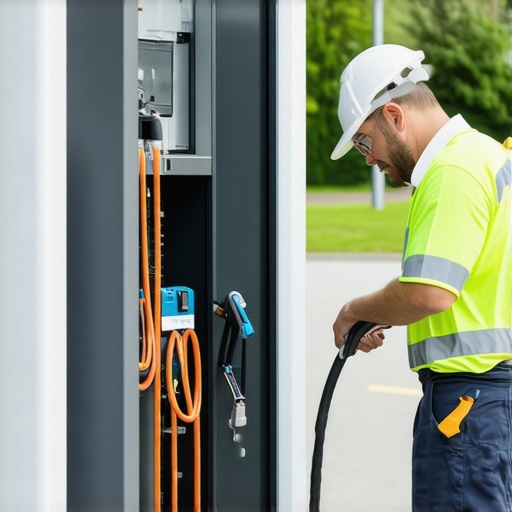

EV Charger Troubleshooting & Panel Upgrades for Safety — Tips for 2024
My Journey with EV Charger Troubleshooting: A Personal Perspective
Recently, I faced a frustrating issue with my electric vehicle charger that refused to work properly. As someone who values safe and reliable home charging, I knew I had to dive deep into troubleshooting and consider a panel upgrade for enhanced safety. Sharing my experience might help fellow EV owners navigate similar challenges with confidence.
Understanding Common EV Charger Problems and How to Fix Them
When my charger kept disconnecting randomly, I realized it wasn’t just a minor glitch. After some research, I learned that issues like faulty wiring, incompatible outlets, or outdated panels could be culprits. I turned to expert tips for troubleshooting and found that verifying the wiring connections and ensuring the charger compatibility made a significant difference. It’s crucial to use genuine components and follow safety protocols, especially when dealing with high voltage systems.
Why Upgrading Your Electrical Panel is a Smart Move in 2024
As my charging needs grew, I realized my old electrical panel was not designed to handle the increased load. Upgrading to a dedicated panel for EV charging not only improved performance but also heightened safety. I discovered that panel upgrades are essential for reliable power delivery and compliance with current electrical codes. A professional upgrade ensures your home’s electrical system is prepared for future demands, preventing potential hazards.
How do I ensure my EV charger installation complies with safety codes?
This was a question I asked myself repeatedly. I found that verifying code compliance is critical for safety and insurance purposes. Checking local regulations and consulting qualified electricians—like those at Bright Spark Electric—helps ensure your setup adheres to standards. For detailed guidance, I recommend reviewing code compliance tips to avoid costly mistakes and ensure safe operation.
What are the signs that my EV charger or panel upgrade might be unsafe?
Signs like frequent tripping, burning smells, or flickering lights indicate potential electrical issues. Trust your instincts and get professional help promptly. It’s better to be cautious than risk safety hazards. For comprehensive troubleshooting, I suggest visiting troubleshooting connectivity problems and other common issues.
If you’re considering an upgrade or facing persistent problems, don’t hesitate to consult experienced electricians. They can assess your system, ensure code compliance, and recommend the best solutions for your specific needs. Remember, a safe and efficient EV charging setup is vital for peace of mind and long-term reliability. Feel free to share your experiences or ask questions in the comments—I love hearing from fellow EV owners!
Deciphering the Nuances of Electrical Code Compliance for EV Chargers
Ensuring your EV charger installation adheres to local electrical codes is not just a bureaucratic step; it’s a crucial safeguard for your home and loved ones. Modern electrical standards, like the NEC (National Electrical Code), have evolved to address the increased load demands of EV charging, emphasizing safety and reliability. Consulting with licensed electricians, such as those at Bright Spark Electric, ensures your setup aligns with current regulations. For comprehensive guidance, explore essential code compliance tips.
What Are the Hidden Risks of Overlooking Panel Upgrades During EV Charger Installation?
Many homeowners underestimate the importance of upgrading their electrical panels when installing high-capacity EV chargers. An outdated panel can lead to frequent tripping, voltage fluctuations, or even fire hazards. Upgrading your panel not only accommodates the increased power load but also enhances overall safety. To navigate this complex process, professional panel upgrades are recommended—discover more at panel upgrade essentials.
How Do I Prevent Common Electrical Issues That Affect EV Charging Reliability?
Frequent disconnections, slow charging, or unexpected shutdowns often stem from wiring problems, poor connections, or insufficient circuit capacity. Regular troubleshooting, including checking wiring integrity and verifying circuit capacity, can mitigate these issues. For expert troubleshooting strategies, visit troubleshooting tips. Remember, ensuring your system is well-maintained and compliant prevents costly repairs and enhances your EV charging experience.
Are there proactive steps I can take today to future-proof my EV charging setup?
Absolutely. Upgrading your electrical panel, installing a dedicated circuit, and incorporating smart home integrations can significantly improve your system’s resilience. Moreover, staying informed about evolving standards and regular maintenance ensures your setup remains robust. For tailored advice, consult with experts who can assess your current infrastructure and recommend upgrades. Check out panel upgrade tips for better performance.
If you’re curious about more advanced solutions or want to share your experiences, I encourage you to comment below or reach out through our contact page. Staying proactive with electrical safety and code compliance is the key to reliable and safe EV charging in 2024 and beyond.
Beyond Basics: Navigating Complexities in EV Charging Safety
As I delved further into my electrical upgrade journey, I discovered that ensuring safety isn’t just about meeting code standards; it’s about understanding the nuanced interactions between various system components. One lesson I learned was the importance of inspecting the entire electrical pathway— from the main panel to the outlet— for subtle issues like loose connections or corrosion that could compromise safety over time. This awareness led me to consider expert troubleshooting techniques that go beyond surface-level fixes, emphasizing a holistic approach to electrical health.
The Subtle Art of Upgrading for Future-Proofing
Upgrading my electrical panel wasn’t merely about handling current demands; it was an investment in future-proofing my home. I realized that smart integrations, such as load management systems and smart circuit breakers, could optimize my charging efficiency and safety. This innovation requires careful planning and, often, coordination with professional panel upgrades that incorporate the latest technology standards. Incorporating these modern features meant not only compliance but also a proactive stance toward evolving energy needs and safety protocols.
What Are the Hidden Risks of Overlooking System Compatibility?
One of the most overlooked aspects in my journey was ensuring that all components— from the charger to the electrical panel— are fully compatible. I faced a situation where an incompatible charger caused frequent tripping, despite a recent panel upgrade. This experience underscored that compatibility isn’t just about plug types but also about voltage ratings, circuit capacity, and software integration. According to authoritative sources like code compliance experts, mismatched components can lead to safety hazards that are difficult to diagnose without professional help. Regular consultation with electricians ensures that every piece works harmoniously, preventing costly and dangerous failures.
How Can I Balance Safety with Convenience and Cost?
Finding the right balance was a personal challenge. While I wanted the safest setup possible, I also had to consider budget constraints and practical convenience. I learned that phased upgrades— starting with essential safety measures and gradually integrating advanced features— could make the process more manageable. Additionally, leveraging smart technology allows for remote monitoring and alerts, providing peace of mind without excessive ongoing costs. Sharing my experience, I invite fellow EV owners to consider a tailored approach, prioritizing safety while remaining mindful of their specific needs and resources. For detailed strategies, exploring comprehensive upgrade tips can be invaluable.
What Are the Next Steps in Ensuring Long-Term Electrical Safety?
Long-term safety isn’t a one-time upgrade but an ongoing maintenance process. Regular inspections, updates to safety devices like GFCIs, and staying informed about new standards keep the system resilient. I also found that documenting upgrades and maintaining detailed records helps in future troubleshooting and insurance claims. As I continue to refine my setup, I remain committed to continuous learning— following industry updates, engaging with expert communities, and sharing insights. This proactive mindset ensures that my home remains safe and ready for the evolving demands of EV technology. I encourage readers to reflect on their systems and consider consulting trusted electricians for personalized advice. You can start by exploring essential safety and compliance resources.
How Can I Leverage Modern Electrical Innovations to Maximize Safety and Efficiency?
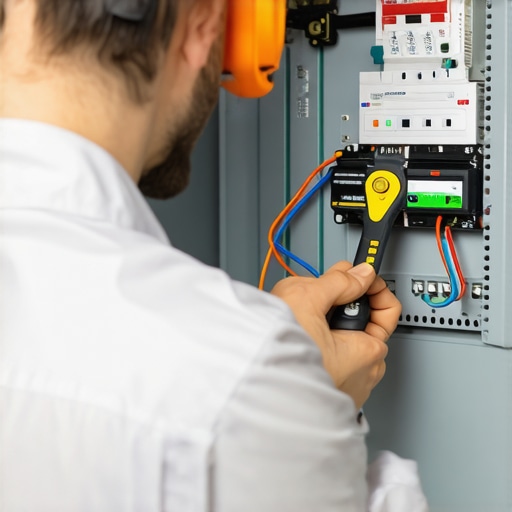
My journey into sophisticated electrical upgrades revealed that integrating smart load management systems and intelligent circuit breakers significantly enhances the safety and performance of EV charging setups. These innovations help distribute electrical loads evenly, preventing overloads and reducing wear on existing infrastructure. Implementing such systems requires a nuanced understanding of your home’s electrical architecture and careful coordination with licensed electricians. According to industry standards outlined by the National Electrical Code, smart solutions are not just convenience features but vital safety components that can adapt dynamically to your charging demands.
What Are the Critical Considerations for Ensuring Long-Term Compliance with Evolving Standards?
Staying ahead of regulatory changes is essential to maintain a safe and compliant charging environment. I learned that engaging with professional electricians who stay abreast of updates in standards—such as those detailed in compliance guidelines—ensures that my system adapts proactively. Regular audits, documentation of upgrades, and adherence to local amendments prevent costly retrofits and potential safety hazards. Moreover, continuous education on emerging technologies, like load-sharing units or smart metering, positions me to upgrade my system seamlessly, ensuring longevity and compliance.
How Do I Integrate Renewable Energy Sources Without Compromising Safety?
Incorporating solar panels and other renewable energy sources into my home electrical system posed unique challenges. I discovered that specialized inverters and dedicated circuits designed for renewable inputs are critical for safety and efficiency. Properly sizing these components and ensuring compatibility with existing electrical panels require expert consultation. I found that consulting authoritative resources, such as panel upgrade specialists, provides invaluable insights into integrating these systems safely. This proactive approach not only optimizes energy use but also safeguards my home against potential electrical faults caused by incompatible or undersized infrastructure.
What Role Does Real-World Experience Play in Mastering Advanced Electrical Safety?
Beyond theoretical knowledge, my hands-on experience has been instrumental. Diagnosing subtle issues like micro-fissures in wiring or reactive load imbalances requires keen observation and an understanding of complex electrical interactions. I frequently consult resources such as expert troubleshooting guides to refine my approach. Sharing my insights with community forums and seeking ongoing education from licensed professionals ensures I stay current with best practices. This iterative process of learning and applying advanced techniques fosters a resilient and safe electrical environment for my EV charging needs.
For those committed to elevating their home electrical systems, I highly recommend engaging with specialists who can tailor solutions specific to your infrastructure. If you’re interested in exploring these advanced strategies further or sharing your experiences, I invite you to connect through our contact page. Together, we can navigate the complexities of modern electrical safety and unlock the full potential of your EV charging setup in the years to come.
Things I Wish I Knew Earlier (or You Might Find Surprising)
1. The Overlooked Importance of Compatibility
One thing I learned the hard way was that not all EV chargers are compatible with every home electrical system. I once installed a charger that seemed perfect but kept tripping the circuit. It turned out that voltage ratings and circuit capacity mattered more than I initially thought. Doing thorough compatibility checks can save a lot of headaches later.
2. Upgrading Your Panel Is More Than Just Capacity
Initially, I thought a bigger panel simply meant more outlets. But I discovered that smart load management and integrating modern circuit breakers could dramatically improve safety and efficiency. This was a game-changer in my approach to future-proofing my home.
3. The Value of Expert Troubleshooting
While DIY troubleshooting can be tempting, I found that consulting professionals, especially when issues persist, makes all the difference. Expert insights helped me identify subtle wiring issues and avoid dangerous shortcuts, ensuring my setup remained safe and reliable.
4. The Subtle Signs of System Fatigue
Flickering lights or unexpected shutdowns seemed minor at first, but I learned they often indicate underlying problems like loose connections or aging components. Recognizing these signs early can prevent bigger safety risks down the line.
5. Future-Proofing with Smart Technology
Incorporating smart home integrations, like load-sharing systems, not only optimized my charging but also added an extra layer of safety. These innovations require some initial setup but pay off by providing peace of mind and reliable performance.
6. Regular Maintenance Is Key
Electrical systems need ongoing attention. I now schedule regular inspections and keep detailed records of upgrades. This proactive approach keeps my system safe and helps me stay compliant with evolving standards.
Resources I’ve Come to Trust Over Time
1. National Electrical Code (NEC)
The NEC provides the foundational safety standards for residential electrical work. It’s a must-read for anyone serious about safe EV charger installation, and I consult it regularly to stay informed.
2. Bright Spark Electric Blog
This resource offers practical, real-world advice on troubleshooting and upgrades. Their tips are grounded in professional experience, making it a trustworthy guide for homeowners.
3. Local Electrical Codes and Regulations
Understanding your local regulations is crucial. I always verify with local authorities or licensed electricians to ensure my setup is compliant and safe.
4. Industry Standards on Smart Load Management
As technology evolves, standards for integrating smart systems become more important. I rely on industry publications that detail best practices for safe, efficient upgrades.
Parting Thoughts from My Perspective
Reflecting on my journey with EV charger safety and upgrades, I realize that knowledge and proactive maintenance are the keys to peace of mind. Upgrading your electrical panel and ensuring compatibility might seem daunting at first, but the safety benefits are well worth the effort. If this resonates with you, I’d love to hear your thoughts or experiences. Sharing our insights helps us all stay safer and more informed. Feel free to drop a comment or reach out through the contact page. Your home’s electrical health is worth the investment, and staying curious about evolving standards will keep you ahead of potential issues. Happy charging!